
Spring is here, and your dog is scratching more than usual. Their paws are pink. Their ears are warm. Maybe they're scooting across the carpet or rubbing their face along the couch.
Your first thought: pollen season.
And you might be right. But there's a possibility most pet owners don't consider — and most spring allergy articles don't mention: your dog's food could be making their seasonal allergies worse.
Why Your Dog Itches More in Spring
Spring brings a surge of environmental allergens:
- Tree pollen (March–May)
- Grass pollen (April–June)
- Mold spores (thrive in spring moisture)
- Dust mites (more active in warming weather)
Dogs with environmental allergies (atopic dermatitis) react to these allergens through their skin, not their nose. That's why spring allergies in dogs look different than in humans:
- Itchy paws — pollen gets trapped between toes during walks
- Ear infections — allergic inflammation disrupts the ear canal (food sensitivities cause these too — more on that below)
- Belly and inner leg irritation — areas that brush against grass
- Face rubbing — eyes, muzzle, and chin react to airborne allergens
- Red, warm skin — especially in skin folds and armpits
If these symptoms appear every spring and fade by winter, environmental allergies are a strong suspect.
The Overlap Problem — Why It's So Confusing
Here's what makes this genuinely difficult: environmental and food-related symptoms in dogs look nearly identical.
A quick but important distinction: environmental allergies (like pollen reactions) are true allergies — immediate immune responses. But most food-related reactions in dogs are actually food sensitivities — a slower, different type of immune response that builds over days rather than minutes. Vets use the umbrella term "adverse food reaction" to cover both. The reason this matters: your dog can have a true pollen allergy AND a food sensitivity operating through completely different pathways, yet producing the same symptoms.
Both cause:
- Itching and scratching
- Ear infections
- Skin redness and irritation
- Paw licking and chewing
- Hot spots
And here's the part that trips up most pet owners and even some vets: many dogs have both. Studies suggest that dogs with atopic dermatitis frequently have concurrent food sensitivities. The environmental allergies cause a baseline of inflammation, and food sensitivities add to it.
Think of it like a bucket. Environmental allergens fill the bucket partway. Food sensitivities fill it more. When the bucket overflows — usually in spring, when pollen loads are highest — your dog's symptoms become unbearable.
This is why spring is when food-sensitive dogs often have their worst flares. The pollen pushes them over a threshold that food sensitivities had already brought them close to.
5 Signs It Might Be Food, Not Just Pollen
Watch for these clues that food may be part of the picture:
1. Symptoms Persist Year-Round
Seasonal allergies come and go. If your dog itches in January too — even if it's worse in April — food is likely involved.
2. Digestive Issues Alongside Skin Problems
Environmental allergies rarely cause gut symptoms. If your dog has loose stools, gas, or occasional vomiting alongside their itching, a food sensitivity is worth investigating.
3. Ear Infections That Keep Coming Back
Recurring ear infections — especially when they respond to treatment but return within weeks — are a hallmark of food sensitivity in dogs.
4. Itching Gets Worse After Specific Meals
Pay attention to timing. If itching or paw-licking intensifies after eating certain foods, that's a signal. Remember, food sensitivity reactions in dogs are often delayed by days — with a median of about 5 days for skin signs, though gut symptoms may appear sooner. Cumulative effects can build over a week or more of repeated exposure.
5. Antihistamines Don't Fully Resolve It
If your vet's allergy medication helps somewhat but doesn't eliminate the itch, there may be a food component driving inflammation through non-histamine pathways that medication can't fully address.
How to Sort It Out
The only reliable way to distinguish food allergies from environmental allergies is through data — specifically, tracking what your dog eats and how they respond over time.
Track Food and Symptoms Daily
Log every meal and every symptom, every day. Include:
- What your dog ate (proteins, treats, supplements)
- Symptom type and severity (itching, ears, paws, gut)
- Time of day symptoms are worse
- Activity and environment (long walk through grass? indoor day?)
After 4–6 weeks, patterns emerge. Food-related symptoms show up consistently regardless of pollen counts. Environmental symptoms correlate with outdoor time and season.
Consider an Elimination Diet
An elimination diet is the gold standard for identifying food triggers. You simplify your dog's diet to a single novel protein source for 8–12 weeks, then reintroduce potential triggers one at a time, monitoring for reactions over up to 14 days per food.
Important: Start an elimination diet under veterinary guidance. And track throughout — an elimination diet without data is just a restrictive diet with no answers.
Share Your Data with Your Vet
When you bring tracking data to your vet appointment, you transform a 15-minute guessing game into a productive conversation. Your vet can see exactly when symptoms flared, what changed in the diet, and whether the pattern points to food, environment, or both.
What to Do Right Now
Today:
- Start tracking your dog's food and symptoms. Even during peak allergy season, food patterns will show through the seasonal noise if you track consistently.
This week:
- Keep your dog's diet consistent. Don't change foods, add new treats, or switch proteins. Consistency reduces variables.
Over the next month:
- Note which days are better and worse. Compare against what they ate, not just where they walked.
- If your dog is on allergy medication, note whether symptoms break through despite the medication — that's often the food signal showing through.
Spring Is Actually the Best Time to Start Tracking
It might seem counterintuitive — why start tracking food during the noisiest allergy season? Because spring creates a natural contrast.
When environmental allergens are high, food-sensitive dogs will have MORE severe symptoms than dogs with purely seasonal allergies. If tracking reveals that your dog's worst days correlate with specific meals rather than high-pollen days, you've found something important.
And when allergy season fades in late fall, tracking data from spring gives you a clear comparison: did the itching decrease proportionally, or did a baseline of symptoms persist? That's the food signal.
Your Dog Deserves Answers, Not Just Another Prescription
Every spring, millions of dogs get another round of antihistamines, another course of steroids, another prescription shampoo. And every spring, millions of pet owners wonder why the itch keeps coming back.
For some dogs, the answer isn't more medication. It's identifying the food that's been silently filling their inflammation bucket all along.
Tracking gives you that answer. Under 2 minutes a day. Patterns emerge in as little as 2 weeks.
Disclaimer: This article is for educational purposes only and does not constitute veterinary advice. Always consult with a qualified veterinarian before changing your dog's diet, starting an elimination diet, or discontinuing any prescribed treatments. Persistent symptoms such as itching, ear infections, and skin irritation can have multiple causes, some of which require specific veterinary treatment.
Related Articles

My Dog Won't Stop Scratching But Has No Fleas: 7 Real Causes
Your dog won't stop scratching but has no fleas? Discover the 7 real causes of dog itching without fleas, including food sensitivity — the most underdiagnosed cause.
Read Article →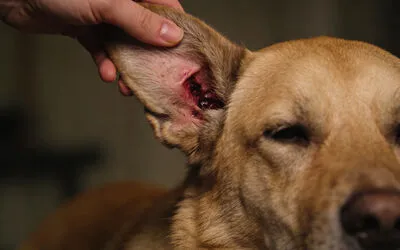
Dog Ear Infections That Keep Coming Back: Is It Food?
Recurring ear infections are one of the strongest clinical signals of food sensitivity in dogs. Learn why they keep coming back and how to find the dietary trigger.
Read Article →
Dog Food Allergy vs. Food Sensitivity: What's the Real Difference?
Your dog is itching and your vet mentioned food allergy. Learn the real difference between food allergy, sensitivity, and intolerance in dogs — and why it matters for diagnosis.
Read Article →